Checkpoints and Checkbooks: The Legal Implications of Tariffs on International Trade
A collaboration between the International & Comparative Law Review (ICLR) and the Business Law Review (BLR)
The Symposium will take place on Friday, March 6, 2026, at Lakeside Village Auditorium.

Click below to Register:
Symposium Overview
As tensions rise around the globe, international trade faces pressures that many businesses have never seen before. Modern tariffs are reshaping how companies buy, sell, and operate worldwide, from luxury brands and cutting-edge tech firms to manufacturing plants and agriculture. The 2026 International & Comparative Law Review (ICLR) and Business Law Review (BLR) Symposium will examine the legal outcomes of these disruptions across industries and borders.
The day will begin with opening remarks from Dean Patricia Sánchez Abril. Panels will explore the intersection of international trade, administrative, and customs law, offering insight into how companies navigate shifting tariff policies and customs enforcement challenges. The event will conclude with closing remarks by Professor Jonathan Zwibel.
Program Schedule
12:00 – 12:15 PM
Check-In
12:15 – 12:30 PM
Welcome and Opening Remarks from Dean Patricia Sánchez Abril.
Panel 1 (12:30 – 1:45 PM)
Legal Landscapes of Tariffs and International Commerce
This panel is our foundation and introduction to tariffs through the voices of academics who specialize in the field. We will explore the legal frameworks that govern international commerce at the intersection of trade and the executive, judicial, and legislative branches. Panelists will analyze the interplay between World Trade Organization (WTO) rules, bilateral and multilateral treaties and commitments, recent court rulings, executive orders and proclamations, and the increasingly frequent use of unilateral tariffs.
Professor Charlton C. Copeland, University of Miami Law Professor, Moderator

Charlton Copeland joined the faculty in 2007. He teaches Civil Procedure I and II, Federal Courts, Administrative Law, and the Regulatory State. In addition, he has served as the Faculty Coordinator of the Florida Supreme Court Internship Program, and the Law School’s Washington, DC Externship Program, where he teaches Federal Policy Making: Legislation, Regulation and Litigation. He is a 2015 recipient of the Richard Hausler Golden Apple Award for the faculty member contributing the most to the student body both academically and through his or her extracurricular activities.
His scholarship has focused primarily on the ways in which federalism as a constitutional and political structure is mediated in: the relationship between federal and state courts, the jurisprudence of remedies for state violations of federal law, and the relationship between state and federal implementation of federal policy. In addition, he has written about the intersection between law and theology as they relate to religion’s role in American democracy and the framing of liberationist critiques of same sex marriage. He is a recipient of the 2013 Dukeminier Award and the Michael Cunningham Prize, from the Williams Institute at UCLA Law School, for the best law review articles published on sexual orientation and gender identity law issues in the previous year. His current scholarly interests explore the relationship between race and American political institutions and structures, particularly how attention to race and American political institutions informs federal courts jurisprudence, and the implications of federalism’s survival of the demise of formal racial apartheid in America. He is also interested in the ways in which federalism shape the development of American public policy, particularly health policy.
In addition to his academic commitments, Professor Copeland has served the larger Miami-Dade community as a member of the Miami-Dade Commission on Ethics and Public Trust, an independent county agency with advisory and quasi-judicial authority, from 2010-2014. He served as Chair of the Commission from 2012-2013. He has also served as Chair of the Law and Humanities Section of the American Association of Law Schools.
Prior to joining the Law School faculty, Professor Copeland served as a visiting assistant professor of law at Northwestern University Law School. He was an associate at Hogan & Hartson (now Hogan Lovells) in Washington, DC, where he focused on litigation (appellate and insurance) and regulatory (communications) matters. In addition, he served as a law clerk to Justices Richard J. Goldstone and Catherine O’Regan of the Constitutional Court of South Africa, and as a clerk to Judge R. Guy Cole, Jr., of the United States Court of Appeals for the Sixth Circuit.
Professor Copeland is a graduate of Amherst College, Yale Divinity School, and Yale Law School.
Professor Kathleen Claussen, Georgetown University Law Center Professor; Anne Fleming Research Professor, Speaker
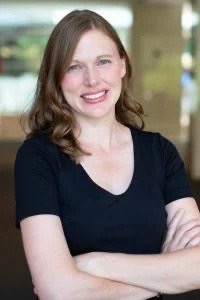
Kathleen Claussen is Anne Fleming Research Professor and Professor of Law at Georgetown University Law Center. She also serves as Faculty Co-Director of Georgetown’s Institute of International Economic Law and is the founder of the Consortium for the Study and Analysis of International Law Scholarship. Among other leadership roles, she has served on the Executive Council and Executive Committee of the American Society of International Law. She is co-Editor-in-Chief of the Journal of International Economic Law and a member of the Board of the American Journal of International Law. Prior to joining the academy, Professor Claussen was Associate General Counsel at the Office of the U.S. Trade Representative. Earlier in her career, she was Legal Counsel at the Permanent Court of Arbitration in The Hague. She is a graduate of the Yale Law School, Queen’s University Belfast where she was a Mitchell Scholar, and Indiana University where she was a Wells Scholar.
Professor Michael House, Firmwide Co-Chair, International Transactions & Trade Practice Perkins Coie; Adjunct Professor University of Miami Law, Speaker

Michael P. House is Adjunct Professor of Law at the University of Miami Law School, where he teaches international trade law, and a partner at the international law firm Perkins Coie LLP, where he heads the firm’s international trade practice in Washington, D.C. Professor House was formerly an adjunct Professor of Law at Georgetown University Law Center, where he taught courses on international trade law and the WTO.
Professor House advises on all aspects of international trade, customs, and export control laws, including government investigations and high-stakes litigation before the federal courts. He regularly appears before U.S. government trade agencies and has served as lead litigation counsel in cases brought before the U.S. Court of International Trade, the U.S. Court of Appeals for the Federal Circuit, and the Supreme Court of the United States. He also advises on U.S. international trade policy, including domestic tariff legislation, free-trade agreements, trade negotiations, and investigations of market access and import competition. At his law firm, Professor House has represented clients in a broad range of industries, including semiconductors, steel, consumer electronics, machinery, paper, chemicals, and textiles. Professor House has authored numerous articles and publications on U.S. international trade policy and legal developments, and he has lectured on trade regulation and policy before audiences in the U.S., Asia, Canada, Latin America, and Europe.
Mr. House is consistently ranked as a leading professional in his field by Chambers Guides, Best Lawyers, Who’s Who Legal, and other respected legal publications.
Justin Miller, Attorney-In-Charge of the International Trade Field Office, U.S. Department of Justice, Speaker
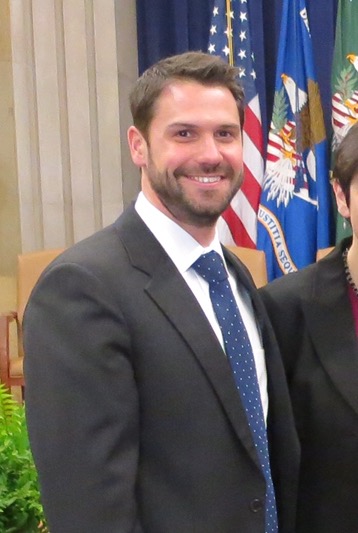
Justin R. Miller is the Attorney-In-Charge of the International Trade Field Office of the U.S. Department of Justice, located in New York City. He leads a team of attorneys and professionals enforcing the international trade and customs laws in the federal courts. Prior to joining the Justice Department, Mr. Miller served as a legal fellow for the Committee on Ways and Means, Subcommittee on Trade, in the U.S. House of Representatives and as a law clerk to the Hon. Leo M. Gordon of the U.S. Court of International Trade. From 2013 to 2016, Justice selected Mr. Miller to serve on detail to the Office of the U.S. Trade Representative, where he represented the United States in the first enforcement action brought by the United States under the Dominican Republic – Central America – United States Free Trade Agreement. He received both his undergraduate (Bachelor of Science in Economics, Phi Beta Kappa, summa cum laude) and law degrees from The Ohio State University.
1:45 – 2:00 PM
Break
Panel 2 (2:00 – 3:00 PM)
How Diverse Industries and Carriers Navigate the Global Market
From fashion to food, automobiles to electronics, tariffs are reshaping global supply chains, pricing strategies, and consumer access. Tariffs now directly affect everyday products from luxury handbags and shoes to imported foods, steel and aluminum, even pharmaceuticals and electronics.
This panel will bring together commodities importers and carriers to explore the commercial, legal, and consumer-facing consequences of the recent tariffs. Speakers will discuss how tariffs alter sourcing and manufacturing decisions, create compliance and enforcement challenges in-house and shift marketing and pricing strategies across different industries. By highlighting sectors affected in varying degrees, the conversation will underscore how tariffs ripple across the economy, shaping the decisions of carriers, commercial importers, and ultimately consumers.
Dean Andrew Dawson. University of Miami School of Law Professor, Moderator
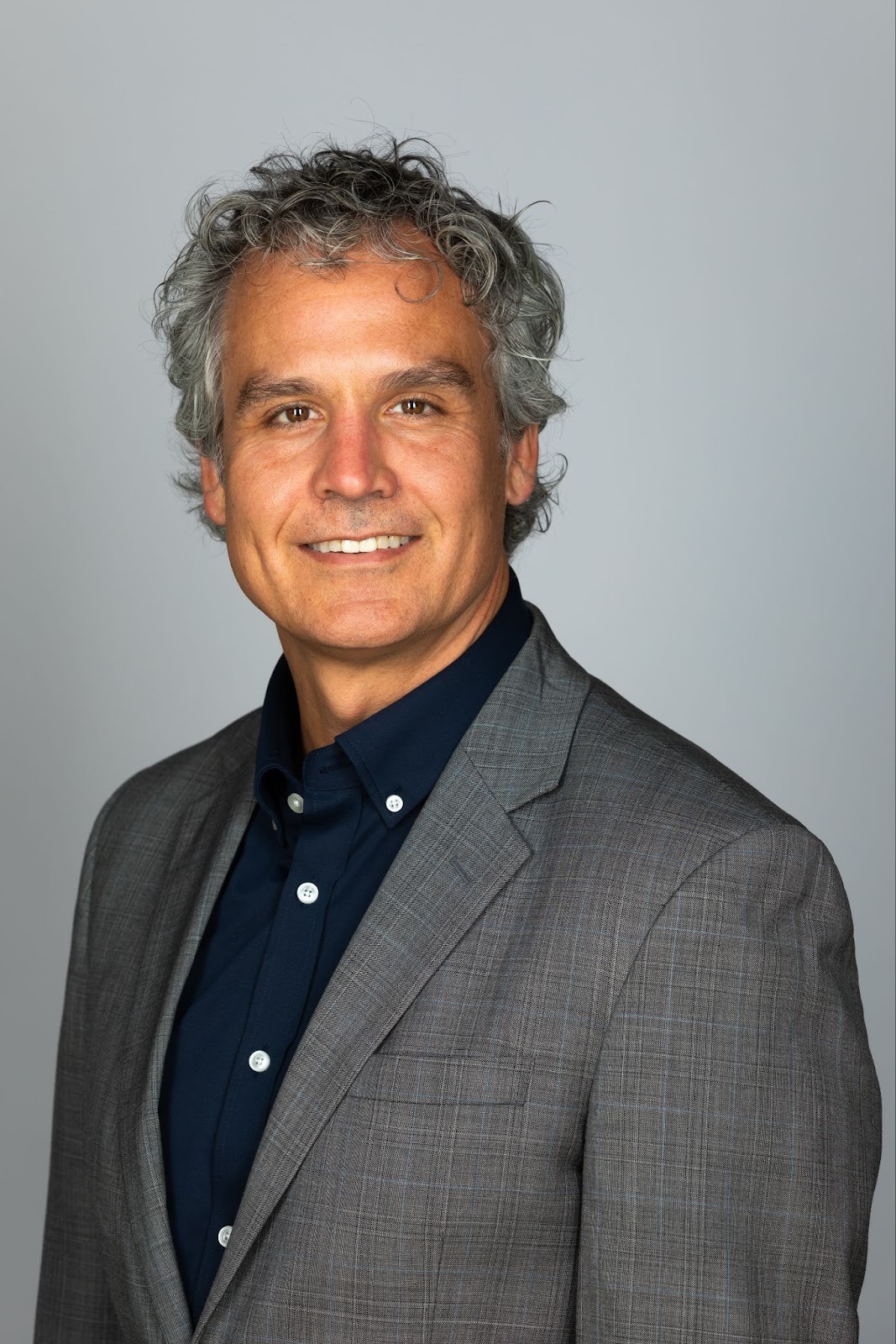
Professor Dawson joined the Miami Law faculty in 2011. He received his B.A. from Williams College and his J.D. from Harvard Law School, where he was a senior editor of the Harvard Negotiation Law Review and recipient of the American Bankruptcy Institute Medal of Excellence and the Irving Oberman Memorial Award. Before joining the faculty, he was a Kauffman Legal Fellow at Harvard Law School, clerked for the Hon. Jane R. Roth, U.S. Court of Appeals for the Third Circuit, and clerked for the Hon. Peter J. Walsh, U.S. Bankruptcy Court for the District of Delaware.
His research has focused on the intersection of federal bankruptcy and labor laws, both in the corporate and municipal bankruptcy context. Labor issues have played a major role in the restructuring of corporate debtors – for example, in the airline, coal, and manufacturing industries – and, more recently, have been a central element in municipal insolvency. In addition to his scholarship in this field, he has served as the Reporter for the Labor and Benefits Subcommittee of the American Bankruptcy Institute’s Commission to Study the Reform of Chapter 11. The ABI Commission worked for three years to study ways in which the Bankruptcy Code should be modernized to take into account the significant changes in corporate finance and corporate governance since the Code’s enactment in 1978.
Professor Dawson has also contributed to the study of cross-border insolvency under the UNCITRAL Model Law on Cross Border Insolvency. The United States adopted the Model Law in 2005, and Professor Dawson conducted the first empirical study of this new chapter 15 of the Bankruptcy Code. In addition to his research in this field, he has also served on the advisory board of the Caribbean Insolvency Symposium and was inducted into the International Insolvency Institute’s NextGen Leadership Program in 2014.
Professor Dawson teaches Contracts, Commercial Law: Secured Transactions, Bankruptcy, and Advanced Topics in Bankruptcy.
Ariel Diaz, VP of legal/regulatory affairs at FedEx Latin America and Caribbean Division, Speaker
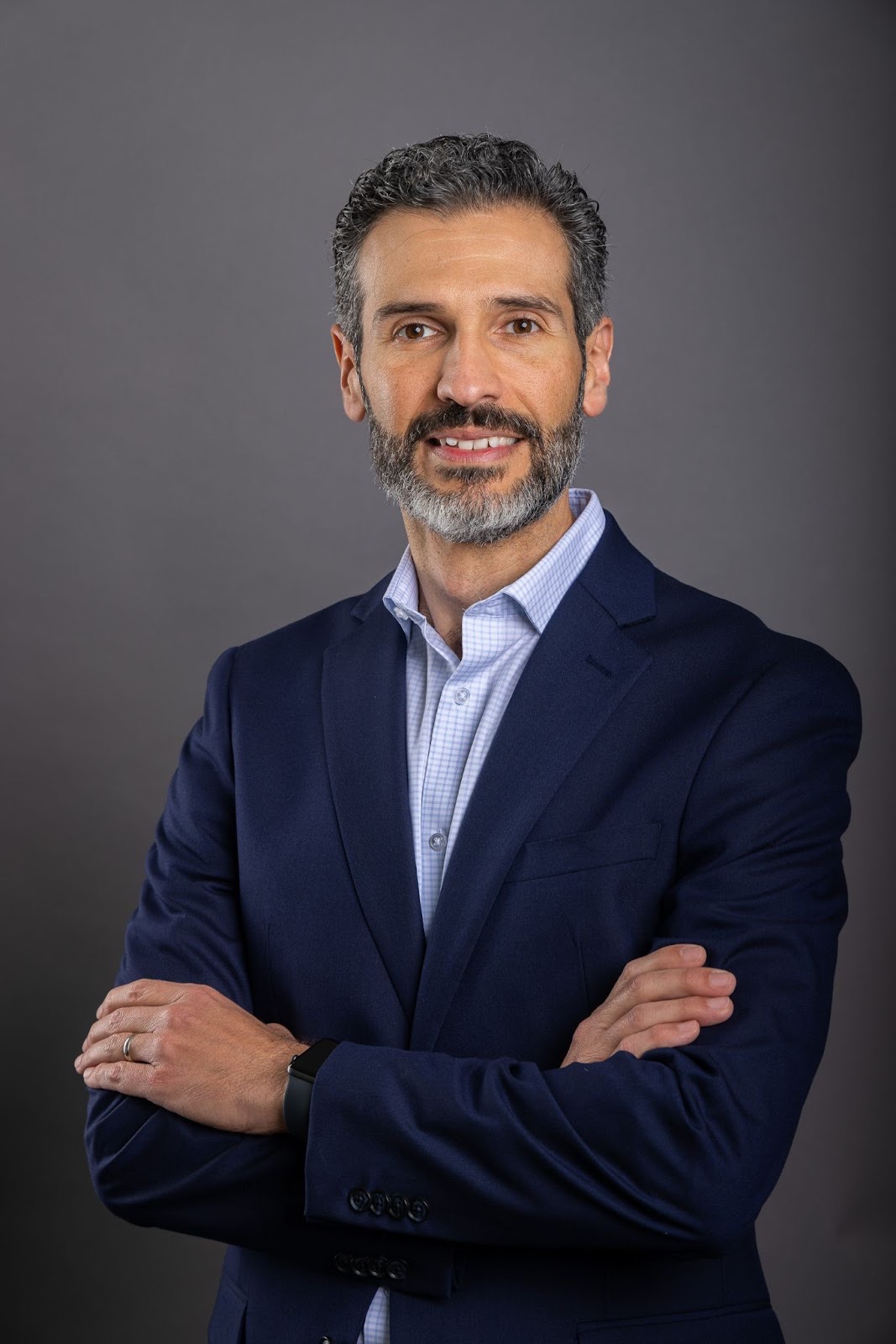
Ariel Diaz is the Vice President of Legal and Regulatory Affairs for the FedEx Express Latin America and Caribbean (LAC) region, headquartered in Miami, Florida. Mr. Diaz is an attorney with over 20 years of experience in the transportation and logistics industry and has worked most of his career on legal and regulatory matters involving the LAC region. In addition to his role in Legal and Regulatory Affairs, Mr. Diaz also has responsibility over Compliance and Government Affairs for the FedEx Express LAC region.
In his current role, Mr. Diaz oversees a regional team of attorneys, regulatory and government affairs advisors and legal professionals focused on a wide range of areas involving transactional, litigation, labor and employment, risk management, as well as regulatory, legislative and public policy matters, including customs and trade, air and ground transportation logistics and infrastructure, sustainability, governance, safety and security issues in the 50+ markets FedEx operates in LAC. More recently, Mr. Diaz served as Managing Director of Regulatory and Government Affairs and formed part of the FedEx LAC COVID-19 task force, supporting medical equipment and vaccine transportation and logistics projects across the region. In prior roles, Mr. Diaz lived and worked in Mexico City, leading the FedEx Express Mexico Legal Department, and serving as a member of the country’s management team involved in long-term planning, strategic business initiatives and compliance matters.
Mr. Diaz is a two-time recipient of the prestigious FedEx Five-Star Award, the highest recognition bestowed on employees who demonstrate leadership, creativity, superior performance and distinguished efforts in support of FedEx operations.
Mr. Diaz is currently a member of the Board of Directors of the Latin American and Caribbean Association of Express Companies (CLADEC), and represents FedEx in several industry groups, including the Association of American Chambers of Commerce in Latin America and the Caribbean (AACCLA), and the U.S.-Mexico CEO Dialogue Trade Facilitation Working Group. Mr. Diaz also serves as a member of the Board of Directors of Outreach Aid for the Americas, a non-profit organization dedicated to economic aid and development, disaster relief and preparedness, and sustainability in the region. More recently, Mr. Diaz was selected to join the World Trade Center Miami Board of Directors, and the Florida International University International Business Program Advisory Council supporting curriculum and student development.
Mr. Diaz holds a bachelor’s degree in Political Science and International Relations from Florida International University, and a Juris Doctorate from the University of Miami, School of Law, where he graduated cum laude.
Andrew Buckley, Vice President at NEMCO Imports, Speaker
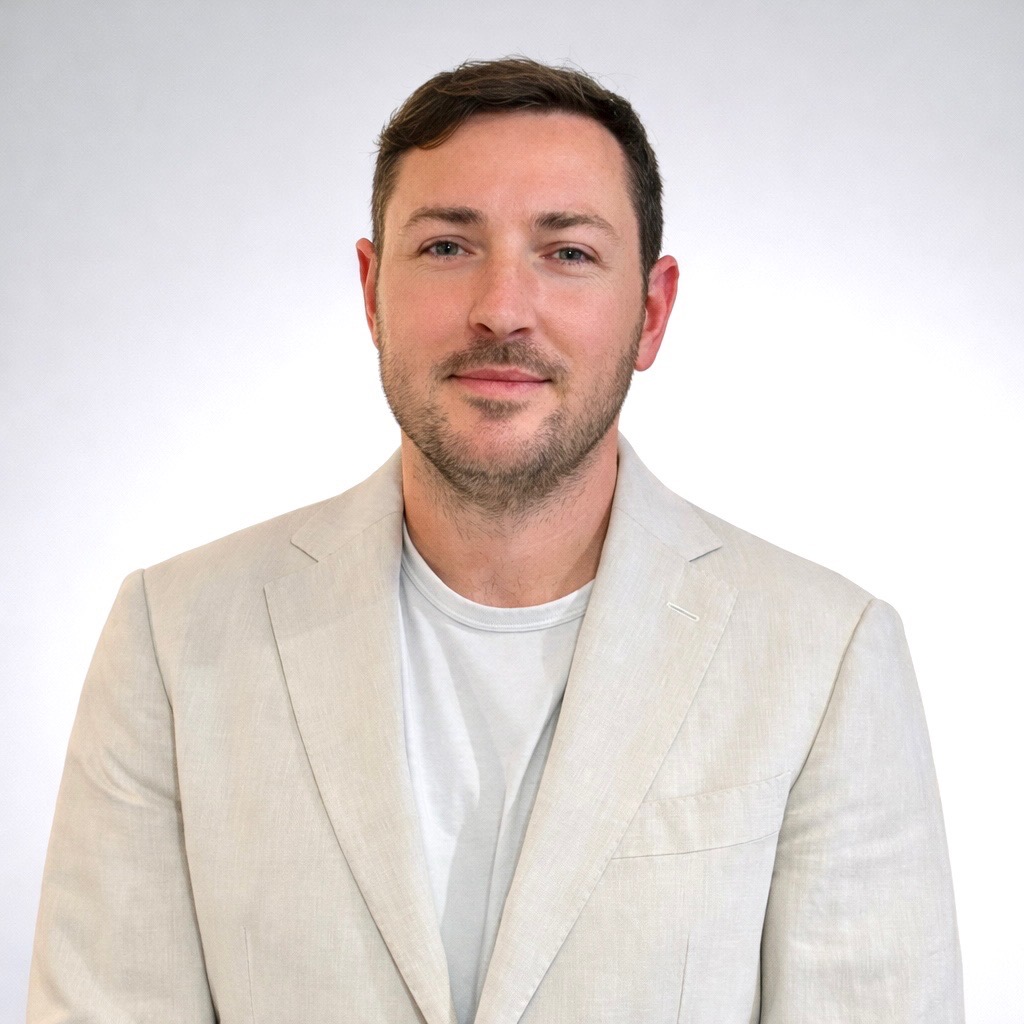
Andrew Buckley is Vice President of Nemco Food Trading Inc., a national food and paper importer and distributor with warehouse operations in New Jersey, Florida, Texas, and California. Nemco sources and imports a broad range of products, including retail/foodservice canned fruits, vegetables, seafood, paper goods and misc packaging items. Nemco’s primary customers make up of broadline food distributers, food banks, meal programs, and state-wide meal contracts for prisons and schools throughout the country. Andrew plays an integral role in the company’s strategic and day-to-day operations. His responsibilities span from sales, purchasing, supply chain coordination, and logistics management, as well as oversight of personnel and operational performance. Andrew has first-hand knowledge of the implications of President Trumps tariff policy and threats. Nemco’s supply chain consists of countries like China, Vietnam, Thailand, Turkey, Egypt, Peru, India and many others. Andrew continues to help navigate the up and down tariff policies and continues to help diversity Nemco’s supply chain.
3:00 – 3:15 PM
Break
Panel 3 (3:15 – 4:30 PM)
Customs Law: Tariffs at the Ports of Entry
Trade policy implementation extends far beyond political decision-making to create complex operational challenges at ports of entry and throughout the supply chain. This panel will examine how tariff policies affect day-to-day Customs operations, the legal frameworks governing trade enforcement, and the practical challenges faced by customs brokers and importers navigating rapidly changing trade rules. Panelists will discuss compliance requirements, processing delays; classification, value and origin disputes; and how changes in tariffs have transformed the landscape for customs professionals and industry practitioners working at the intersection of law and logistics.
Professor Jonathan Zwibel, University of Miami Law Adjunct Professor, Moderator
Jonathan Zwibel is a professor at the University of Miami School of Law, where he teaches two courses: (1) Customs Law, and (2) Cultural Property and Antiquities Trafficking. Prior to teaching at Miami Law, he served a 32-year career with U.S. Customs and Border Protection, Office of Chief Counsel, including 20 years as Deputy Associate Chief Counsel in Miami. His legal expertise includes the application of the customs laws at the U.S. ports of entry. He received his J.D. from the University of Miami School of Law, and his B.A. from the University of Pennsylvania.
Lenny Feldman, Managing Partner, Operating Committee with Sandler, Travis & Rosenberg, P.A., Speaker

Lenny Feldman is a Managing Partner and Operating Committee Member at Sandler, Travis & Rosenberg, P.A., resident in the firm’s Miami office. He is recognized internationally as a leading strategic advisor, previously co-chairing the twenty-member Customs and Border Protection’s Commercial Customs Operations Advisory Committee. He provides strategic recommendations and guidance directly to CBP, Homeland Security, Treasury, Commerce and USTR executives on trade/tariff and legal/regulatory policy, modernization and implementation, impacting supply chain facilitation, enforcement, security, and automation. He is a frequent trade commentator, having interviewed with The New York Times, Wall Street Journal, Bloomberg, NPR, CNN, International Trade Today, and Inside U.S. Trade.
He currently serves as General Counsel and Customs Counsel to the National Customs Brokers & Freight Forwarders Association of America (NCBFAA). He also serves on the board of governors of the American Association of Exporters and Importers and as one of their delegates to the World Customs Organization Private Sector Working Group in Brussels. Previously, Lenny served as lead counsel to the Florida Customs Brokers & Forwarders Association and as a former chairman of the World Trade Center of Miami.
Lenny has counseled thousands of companies in creating “comply chains” while increasing efficiencies and lowering costs. Mr. Feldman innovatively and resourcefully resolves complex issues pertaining to import compliance, valuation, trade preference, country of origin, trade remedies seizures, penalties, antidumping and countervailing duty, CTPAT/border security, bonded facilities, FTZs and other government agency admissibility and licensing.
Lenny was a senior attorney with Customs Headquarters in Washington, D.C., from 1991 to 2000. He issued several hundred national guidelines, directives, and administrative rulings and was a NAFTA negotiator. After leaving Customs, Mr. Feldman served as the chief compliance officer and vice president, international, for a trade and logistics software development company responsible for content and automation pertaining to the trade laws of more than 100 countries.
AnnMarie Highsmith, Former Executive Assistant Commissioner (EAC) for CBP’s Office of Trade, Speaker

AnnMarie R. Highsmith is a respected customs professional who served with U.S. Customs and Border Protection and its predecessor, the United States Customs Service, for over thirty-two years.
Ms. Highsmith served as the Executive Assistant Commissioner (EAC) for CBP’s Office of Trade from June 2021 until her retirement in 2025. In that role, she led more than 1,250 employees and the enforcement of over 500 U.S. trade laws and 14 free trade agreements to enhance U.S. economic prosperity. In collaboration with 49 partner government agencies, she oversaw the facilitation of over $3 trillion in legitimate trade each year while protecting the American economy and consumers from unsafe and unfair trade practices including intellectual property rights violations, forced labor, environmental trade crimes, and trade-based money laundering through risk-based and data driven enforcement. Under her leadership, CBP successfully implemented the Uyghur Forced Labor Prevention Act and launched the Green Trade Strategy setting global standards for more humane and sustainable global supply chains.
Ms. Highsmith served as Deputy Chief Counsel for CBP from 2013 to 2021, where she was the chief operating officer of one of the premier legal offices in government, managing and directing a staff of 400 legal professionals in 31 offices nationwide. She also served as the Associate Chief Counsel for Trade and Finance, which is the principal legal advisor on all matters involving customs laws as they impact international trade.
Ms. Highsmith has also served in the top legal position for the United States’ immigration services agency. As Acting Chief Counsel for U.S. Citizenship and Immigration Services, she provided effective leadership to the agency’s response to the COVID-19 pandemic.
Ms. Highsmith hails from California, beginning her legal career in 1992 as a Staff Attorney with the U.S. Customs Service at the Office of the Regional Counsel in Long Beach.
Ms. Highsmith earned her law degree at Pepperdine University School of Law in 1992, and her bachelor’s degree in business administration from Pepperdine in 1988. She is an active member of the state bars of California and Washington and is admitted to practice in the Supreme Court of the United States, the Court of International Trade and the Court of Federal Claims, among others. She is a graduate of the Harvard Senior Managers in Government Program, a 2017 recipient of the Distinguished Executive Presidential Rank Award, and a 2023 recipient of the Department of Homeland Security Secretary’s Exceptional Service Gold Medal.
4:30 – 4:45 PM
Closing Remarks by Professor Jonathan Zwibel


